Blog
Blog • Future Interface of Marketing
Human-Like Technologies and Bionics: The Future Interface of Marketing
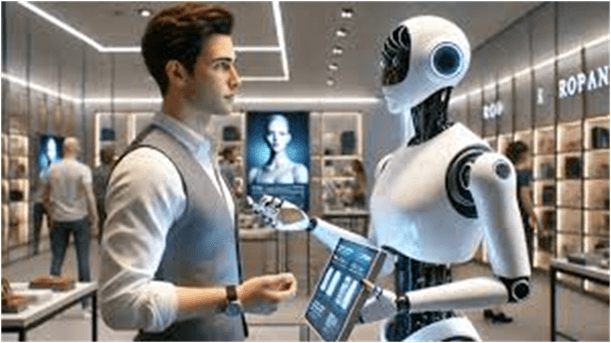
The world of marketing is no longer limited to creative advertisements, catchy taglines, or persuasive sales pitches. In the era of Marketing 5.0, technology is becoming increasingly human-like, reshaping how brands interact with consumers. From artificial intelligence and humanoid robots to bionics and emotion-sensing systems, marketing is entering a phase where machines don’t just communicate—they empathize, respond, and adapt like humans.
At progressive management colleges like ISMR College, this transformation is becoming a vital part of MBA curriculum and management education, especially for students in Pune city, a growing hub of innovation, startups, and digital transformation.
Understanding Human-Like Technologies and Bionics
Human-like technologies refer to advanced systems designed to mimic human intelligence, emotions, behavior, and decision-making. These include:
- Artificial Intelligence (AI)
- Machine Learning (ML)
- Natural Language Processing (NLP)
- Emotion AI (Affective Computing)
- Chatbots and Virtual Assistants
- Robotics and Humanoid Interfaces
Bionics, on the other hand, involves the integration of biological principles with technology—such as neural interfaces, sensory augmentation, and adaptive systems inspired by the human body and brain.In marketing, these technologies serve as the new interface between brands and consumers, replacing static communication with interactive, personalized, and emotionally intelligent experiences.
Why Marketing Needs Human-Like Technologies
Modern consumers are digitally empowered, emotionally aware, and highly selective. Traditional mass marketing struggles to meet their expectations. Marketing 5.0 bridges this gap by combining technology with empathy.
Human-like technologies help brands to:
- Understand consumer emotions and intent
- Predict behavior rather than react to it
- Offer hyper-personalized experiences
- Create real-time, conversational engagement
- Build trust through consistency and responsiveness
For MBA students at ISMR College, understanding this shift is crucial, as future marketing leaders must manage not just campaigns—but intelligent systems.
Applications of Human-Like Technologies in Marketing
1. AI-Powered Conversational Marketing
Chatbots and voice assistants now simulate human conversation with remarkable accuracy. Brands use them for:
- 24/7 customer service
- Product recommendations
- Complaint resolution
- Lead generation
Unlike earlier rule-based bots, today’s AI systems learn from interactions, tone, and context—making conversations feel natural.
2. Emotion AI and Neuromarketing
Emotion-sensing technologies analyze facial expressions, voice modulation, eye movement, and engagement levels to understand how consumers feel about ads, products, or experiences.
This allows marketers to:
- Test ad effectiveness emotionally
- Personalize content based on mood
- Design experiences that resonate psychologically
Such concepts are increasingly discussed in management education to help students understand the science behind consumer behavior.
3. Bionics-Inspired Customer Interfaces
Bionic principles are influencing marketing interfaces such as:
- Adaptive recommendation systems
- Sensory feedback in AR/VR experiences
- Brain-inspired decision engines
For example, recommendation engines now function like the human brain—learning preferences over time and adjusting suggestions accordingly.
4. Humanoid Robots in Retail and Services
Globally, brands are experimenting with humanoid robots as brand ambassadors, store assistants, and information guides. These robots can:
- Greet customers
- Answer queries
- Guide product selection
- Collect feedback
They offer consistency, patience, and personalization—qualities essential for customer experience in modern marketing.
The Role of Marketing 5.0 and Industry 5.0
Marketing 5.0 aligns closely with Industry 5.0, where the focus shifts from automation to human–machine collaboration. Unlike Industry 4.0, which emphasized efficiency, Industry 5.0 emphasizes:
- Human-centricity
- Sustainability
- Ethical technology use
For MBA students in Pune city, especially at forward-looking institutions like ISMR College, this means learning how to balance technology with human values.
Implications for MBA Students and Future Managers
For students pursuing an MBA, human-like technologies are not just technical tools—they are strategic assets.
Future-ready managers must:
- Understand how AI influences consumer decision-making
- Design ethical and transparent marketing systems
- Interpret data alongside emotional intelligence
- Collaborate with tech teams and data scientists
- Lead organizations where humans and machines work together
At a management college focused on experiential learning and industry relevance, these topics prepare students for leadership roles in marketing, consulting, product management, and digital strategy.
The Road Ahead: Marketing with a Human Touch
The future of marketing lies not in replacing humans with machines, but in augmenting human creativity, empathy, and decision-making through technology. Human-like technologies and bionics represent the next interface—where brands don’t just talk to consumers, they understand them.
For institutions like ISMR College, integrating these concepts into MBA programs ensures that students graduate not just as marketers—but as human-centric tech leaders ready for the future of business.
Conclusion
As marketing evolves into a more intelligent, immersive, and emotionally aware discipline, human-like technologies and bionics will define how brands connect with consumers. In this new era, success will belong to organizations—and managers—who can blend technology with humanity.
In the classrooms of management colleges in Pune city, this future is already taking shape through progressive management education that prepares students to lead in the age of Marketing 5.0.